1
Create your account.
Sign up with your name, email, and password so your notes, saved progress, and health updates stay in one secure place.
Turn fatigue, brain fog, crashes, labs, function, diagnoses, and current interventions into one patient-owned record that is easier to review before the next visit.

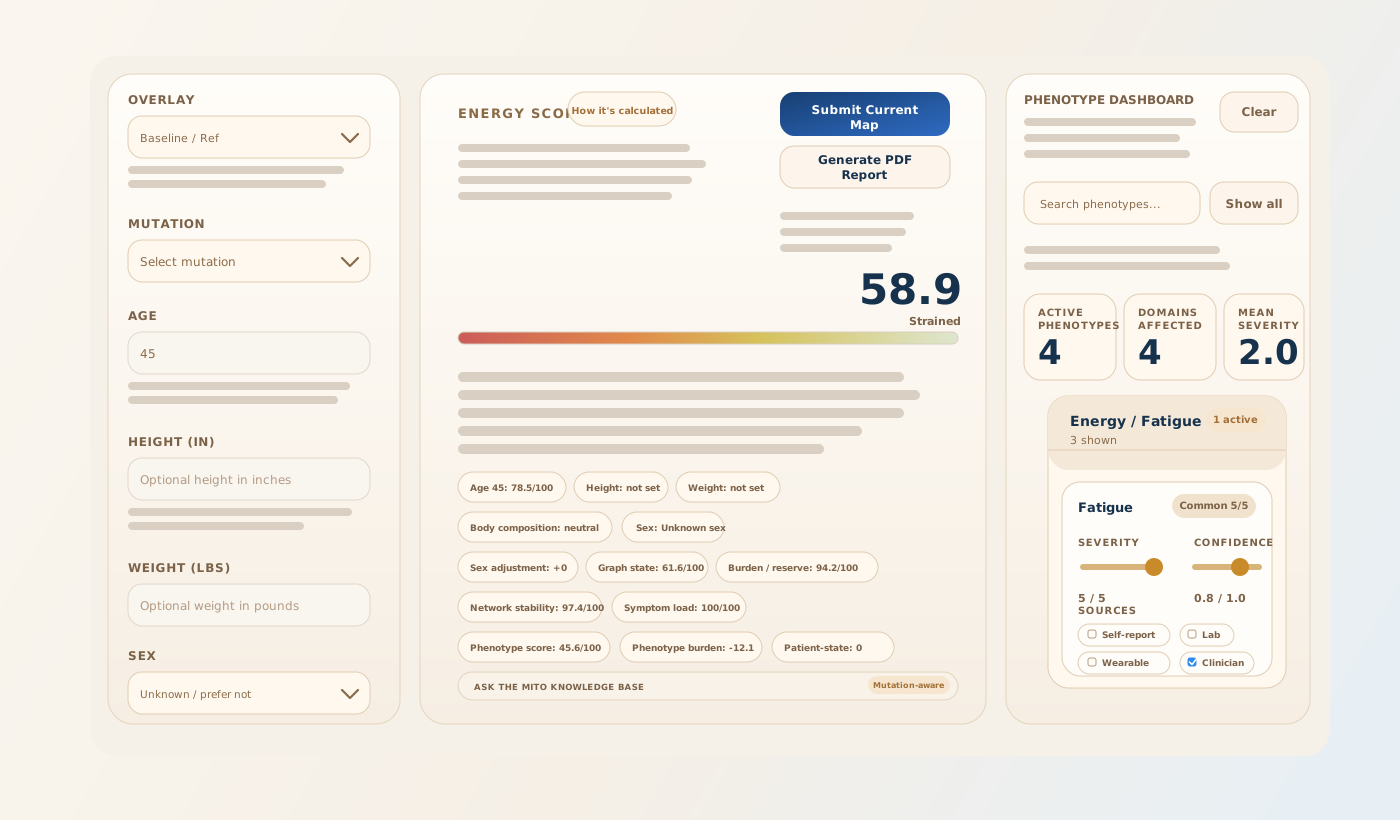
Most people do not begin with a diagnosis. They begin with a pattern they want to understand, like low energy, poor sleep, brain fog, weight changes, or slower recovery.
Track daily energy, symptoms, labs, routines, and functional tests so fatigue patterns are easier to review.
Explore energy trackingConnect sleep notes, recovery signals, next-day function, and interventions in one longitudinal record.
Explore sleep trackingFollow cognitive symptoms alongside sleep, exertion, nutrition, medications, and energy changes.
Explore brain fog trackingTrack metabolic medication context, nutrition, fatigue, exercise tolerance, and muscle-function signals.
Explore metabolic trackingKeep symptoms, labs, cycles or life-stage context, and care questions organized for better conversations.
Build your profileUse repeatable function measures and symptom history to watch how capacity changes over time.
Explore longevity trackingPair grip, sit-to-stand, baseline fatigue, and post-test fatigue with your broader Mito Map context.
Open function scoreOrganize post-exertional worsening, baseline shifts, orthostatic overlap, and function anchors in one patient-owned record.
Explore ME/CFS trackingTrack symptom swings, orthostatic overlap, delayed payback, and intervention changes in one patient-owned timeline.
Explore long COVID trackingKeep orthostatic symptoms, support tactics, flare timing, and daily-capacity changes attached to the same record.
Explore POTS trackingKeep multisystem burden, care transitions, genetics context, and daily capacity in one patient-owned record.
Explore mitochondrial disease trackingTrack joint events, recovery burden, PT response, and whole-body symptom overlap without rebuilding the story each visit.
Explore EDS trackingKeep multisystem reactions, suspected exposures, rescue strategies, and next-day function in one longitudinal record.
Explore MCAS trackingTrack symptom burden, post-activity payback, sensory overload, and intervention response without rebuilding the story each visit.
Explore fibromyalgia trackingStart with the multisystem pattern when your record crosses chronic illness communities and one label is not enough.
Explore chronic illness overlapGetting started is simple. You can create an account, open your workspace right away, and begin saving the details that matter in your own health journey.
Sign up with your name, email, and password so your notes, saved progress, and health updates stay in one secure place.
Add symptoms, lab results, daily energy, questions, and changes you notice over time.
Keep everything attached to your account so you can return anytime, review your progress, and keep building a stronger record for future appointments.
Before you sign up, you should be able to see how Mito Map can help you stay organized, notice changes, and feel more prepared for care decisions.
Save symptoms, labs, daily energy, and personal notes in one organized workspace so you do not have to rebuild your story every time.
See your information in a clearer way so it is easier to notice patterns, follow changes, and make sense of what has been happening.
Use your saved information to prepare updates, questions, and talking points so important details are easier to share with your care team.
Keep a running record of symptoms, results, scores, and care steps so it is easier to look back, compare, and see your progress over time.
Living with ongoing health problems can be exhausting. A big part of that stress comes from trying to keep up with scattered information and explain it again and again.
Mito Map is patient-centered first. It is made for the people who need to understand, track, and talk about their health more clearly.
Keep your symptoms, labs, and questions together so it is easier to follow what is happening and speak up about what you need.
Follow changes, store notes, and help prepare for visits when you are managing care for someone else.
Review changes over time so you can better explain what you are feeling and what seems to help or make things harder.
When your information is organized, your doctors and care partners can spend less time sorting facts and more time talking through next steps.
Create an account, open your workspace right away, and start tracking the details that matter most. Mito Map helps you stay organized and ready for your next care conversation.